We accept
Medicare Advantage plans to fit your dental needs.
Medicare Advantage plans to fit your dental needs.

Root canal therapy is one of the most misunderstood dental procedures, and there are lots of misconceptions associated with this treatment. Many people feel uncomfortable when they hear that they need a root canal, mostly because they think it's going to cause a lot of pain. However, thanks to modern dentistry, dentists have several methods available to prevent pain. Your dentist will never proceed with a root canal unless your mouth is completely numb and you feel comfortable.
Instead of causing pain, receiving a root canal actually relieves severe tooth pain. The procedure also lets you keep your natural teeth, preventing an extraction that could result in a costly procedure for artificial teeth.
If the pulp inside of your tooth becomes infected, your dentist might recommend a root canal. The pulp is the soft tissue that contains nerves and blood vessels, and it extends deep into the roots of a tooth. Bacteria enter the pulp tissue when there is trauma to the tooth, the tooth is affected by a deep cavity, or if an existing filling cracks. To preserve the tooth and prevent an extraction, dentists remove the infected pulp. If it's not removed, the infection can spread to your jawbone or other areas of your body.
To prevent needing a root canal, it's important to see your dentist twice a year and brush and floss daily. If you can prevent tooth decay and other types of tooth damage, it's possible to avoid requiring root canal therapy.
While it's possible to experience no obvious warning signs, many people experience symptoms indicating they may need a root canal. These are the most common warning signs:
Make an appointment with your dentist if you experience any of these symptoms. It's important that you don't delay treatment and allow your symptoms to worsen.
If you feel worried about receiving a root canal, asking your dentist questions about the procedure can make you feel more at ease. Consider asking your dentist these questions when discussing root canal treatment:
Your first visit to the dentist includes an examination of your mouth and x-rays. You'll also talk to your dentist about your dental history and any medications you're taking. If your tooth is badly infected, your dentist will prescribe antibiotics, and you'll return to the office for a root canal in several days. On the day of your root canal treatment, here's what you can expect:
Before the procedure begins, you'll receive local anesthesia to numb the affected tooth and surrounding area. The dentist won't begin your treatment until you're comfortable.
A protective sheet called a dental dam is placed in your mouth. This keeps saliva and bacteria out and isolates the tooth while your dentist is working.
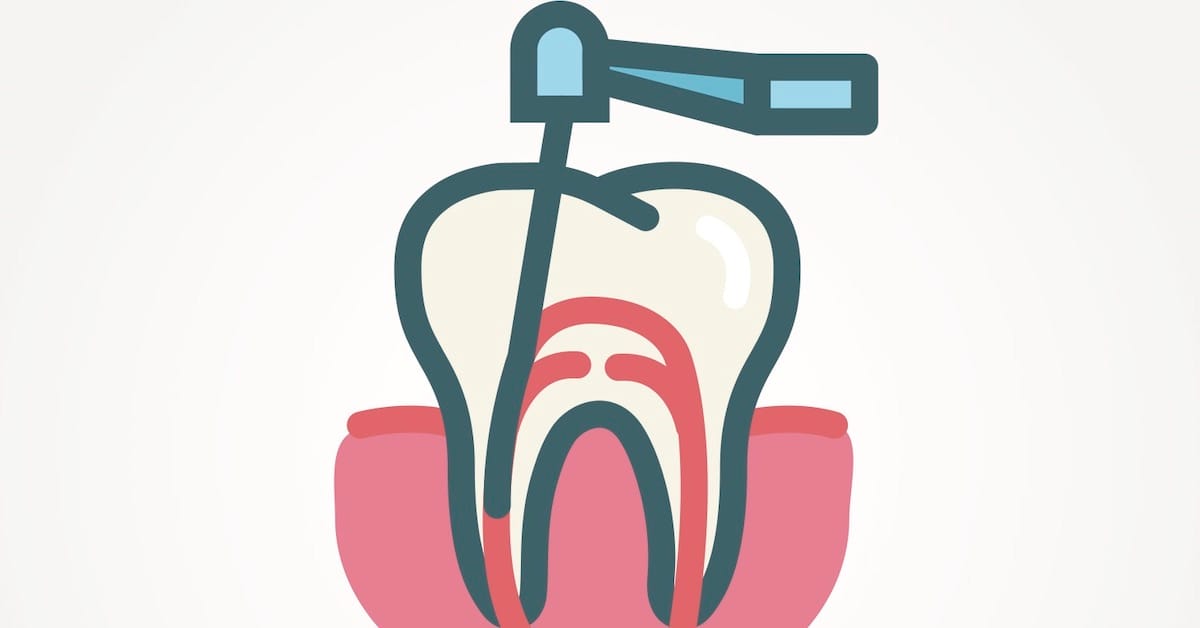
Your dentist creates a hole in the affected tooth, typically on the tooth's chewing surface. This gives the dentist access to the tooth's pulp. Your dentist uses small dental tools to remove the pulp. After removing the pulp, the dentist cleans and shapes the canals.
After they're clean and dried, the canals are filled with a biocompatible material called gutta-percha. This material is heated to ensure it completely fills the canals. Then, your dentist places a temporary filling over the opening that was drilled near the tooth's chewing surface.
Your restoration isn't complete until you receive a permanent dental crown. Crowns are made from impressions of your teeth. Since they're custom-made, it can take a couple of weeks to create your dental crown. Once placed over the treated tooth, crowns restore the full function of the tooth.
As you can see, it usually takes two visits to a dentist to complete root canal therapy. The main root canal procedure takes place during your first visit. You'll receive a permanent crown during your second visit.
Discomfort and mild pain are normal after your anesthesia wears off. Taking an over-the-counter pain reliever will help you manage pain, and most of the discomfort will last only a couple of days. If your pain is severe or lasts longer than a few days, call your dentist. Complications are rare as root canal therapy has a high success rate.
Follow these aftercare tips to help you heal faster and prevent any complications:
Root canal treatment doesn't have to cause fear. In fact, you'll likely feel much better after your procedure is over. If you're still feeling nervous, talk to your dentist and explain your situation.